ARP • Omni

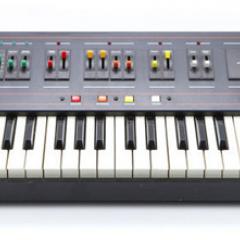
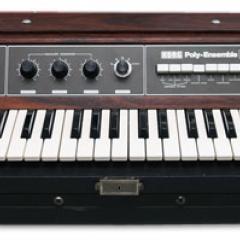
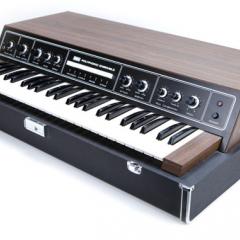
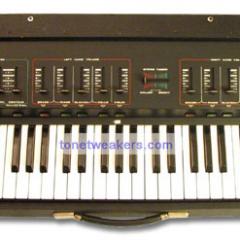
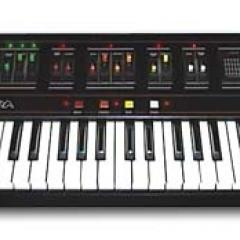
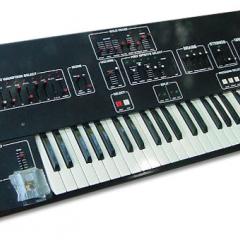
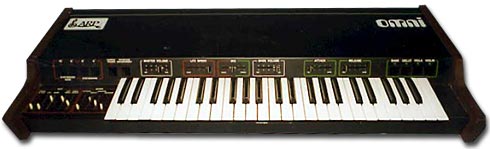
ARP Omni 1 Image

Omni Mk 1 (1975-77)

The Omni is an analog synth with preset Orchestral String sounds. It has polyphonic Violin and Viola waveforms as well as monophonic Bass and Cello waveforms. It is split into 3 sections: Strings, Synthesizer, and Bass synth - all simultaneously available. It has traditional and simple VCA, VCF, and LFO controls for contouring your sounds as well as a nice chorus that really thickens up the string sound. It has no program memory.
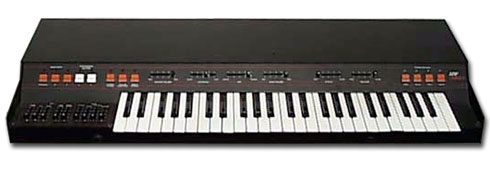
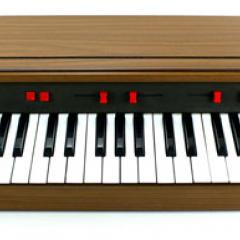
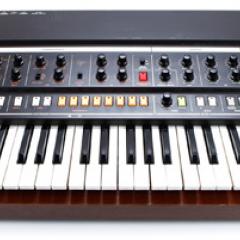
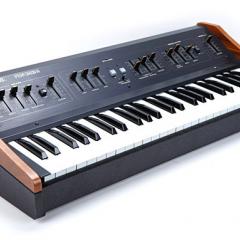
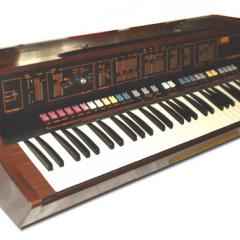
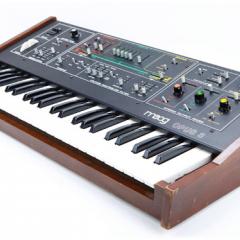
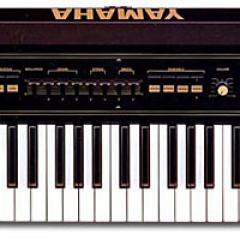
ARP Omni 2 Image

Omni Mk 2 (1977-81)

ARP later released the Omni Mk 2 (pictured above). It was basically the same machine as its predecessor, except for a few minor enhancements and a cosmetic Orange & Black color-scheme upgrade. And it did have a much more advanced triggering system for the VCF and VCA for more expressive results. The Omni has been used by Tangerine Dream, The Cars, Joy Division, Kraftwerk, Trouble Funk and New Order.


VISITOR COMMENTS (6)

Comments page 2 of 2
Click here to add a comment
fredturd
Posted 21 days ago
The Omni Mk1 can be seen in an episode of adult swim's Delocated, "The Soother." It is in the studio where agent has fallen asleep to Jon's voice. There is another synth below the Omni, but I haven't figured it out yet.
Big Chris
Posted 132 days ago
The Omni II provided the strings on Joy Division's legendary single "Love Will Tear Us Apart". Being a complete JD nut, I bought an ARP Omni, albeit a Mk I rather than a Mk II, and I have to reiterate what others have said here - these machines are full of discrete components, quite fragile, and expensive to maintain.
Mezzo
Posted 319 days ago
I Played a Mk 2 in a progressive rock band borrowed from another keyboardist (thanks Android). Lush strings but if it has not been serviced, it will need to be. If you have time for a project these are definitely worth the effort (and there are many of them out there in need of work). If you don't have the time and still want one, be prepared to spend some dollars. I personally like the SS-30 better however these are hard to come by.
Corey Hall
Posted 482 days ago
Oh Yes, replacing tantalum caps! I've repaired a number of these and it's normally suffering from bleeding notes, other notes seeping in when you go to play single notes or chords. There are others that came on but had no sound at all. This can be caused by Operational amplifiers like LM311 or 1469 op amps. It could be any of them and you must check each one. This is very tedious work but, these synhesizers are great machines. It would benefit anyone who bought one of these to know their way around a soldering iron and to know a little bit about circuitry whether it works or not as it's not a matter of "if" but, "when" it does break down. It can be expensive to repair for labor. I charge $20.00 an hour plus parts and that's really beyond reasonable as I don't really have any compition.
Dan Wilson
Posted 503 days ago
I have just restored one of these beasties and I must stress to anyone who purchases a non runner - these things suffer terribly from shoft circuit tantalum caps - and I mean loads of them!! I had to replace 78 caps in mine before it sprung into life. If you are not happy using a soldering iron then it will cost you a mint in labour (though not parts) to get one of these units going again which is a real shame as it's a lovely piece of vintage kit. Capable of huge poly chords due to divide down architecture permitting all notes to be played simultaneously. Only one envelope so fits certain playing styles better that others. Lovely chorus and with care capable of surprisingly usable string sounds - basic but cool synth section too. Can be MIDI retrofitted with a Doepfer MTC64 bus bar controller (note on/off only).

Dan, Hideaway Studio.
 

infoRatings


Specifications


Resources