Akai • AX-60

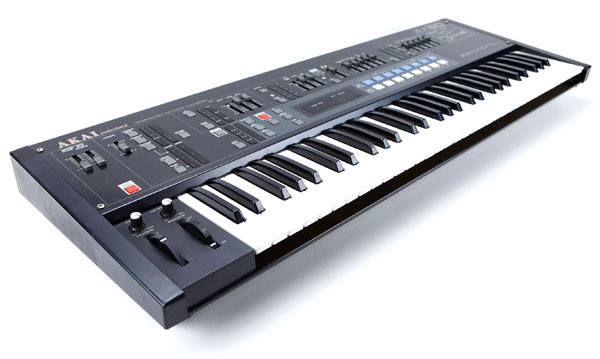
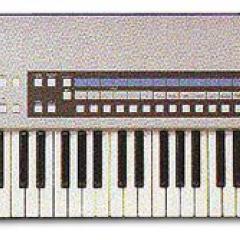
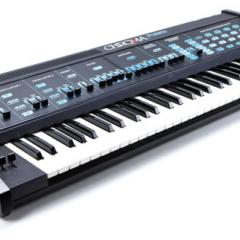
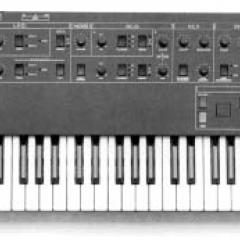
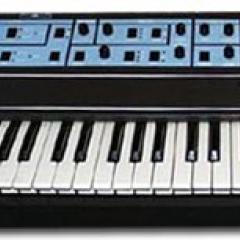
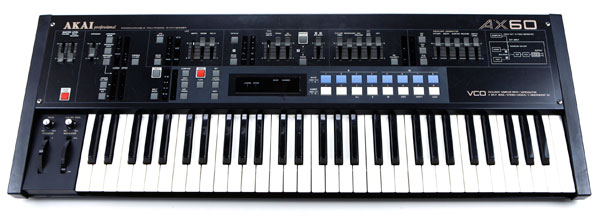
Akai AX-60 Image

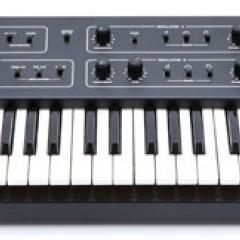
The AX-60 is among some of the last true analog polysynths of the mid-eighties. It was Akai's answer to the hugely successful Roland Juno series and Yamaha's new digital DX-series. The AX-60 is a programmable six-voice synth with a nice LFO, lowpass VCF filter, envelope sections, and more. An eight-voice version, the AX-80, was already available.

Programming this synth is easy using dedicated sliders, knobs and/or buttons for its parameters. It also has a useful noise generator and some other cool functions that include auto-tuning, chorus, a multi-mode arpeggiator and a keyboard that can be split into two key-zones, making it somewhat bi-timbral. All six voices can be stacked in unison mode for a powerful and thick lead sound. Its features and sound make the AX-60 a worthy alternative to Roland's Juno 106. The AX-60 may have been used by Bjork.


VISITOR COMMENTS

Comments page 3 of 3
Click here to add a comment
boomba
Posted 25 days ago
AX60 will kick a nord lead across the street any day of the week. moves a lot of air! unison mode is off the chain.
Nathan
Posted 60 days ago
Yet another underrated synth. The Akai AX-60 is an amazing synth with tons of maneuverability. At first, I was skeptical, because I hadn't heard much about it, but now I see what a truly incredible synth this is and how rare it is to own one. This synth was not created for the Japanese domestic market, so they were produced for North America and that means that there weren't that many produced. It pretty much has a ring modulator and can make insane effects that the Juno 106 only dreams of producing. The bass is the real key; with the right tweaking, you can get huge bass lines that sounds really good when tweaked properly. Plus, there is the ability to spit the keyboard, an arpeggio, sampler in, etc. what more could you want on a 100% analog poly synth? Just wait, these will be discovered soon.
jordan
Posted 73 days ago
i picked up an AX 60 a few weeks ago. mine has different diagram that shows the internal signal path, not an envelope (or whatever that graph is in the picture up there).

anybody know what the story is behind the two diagrams? different years? different features?
Bleurgh
Posted 133 days ago
The Junos were more popular for good reason: their sounds fit much more easily into a wide variety of styles. That's not to say I don't like this synth - I do, but it definitely has a harsher, colder, thinner sound than the Junos. Thankfully, it has a lot more features than the Junos, and so these kind of sound qualities can be put to better use than might otherwise be the case.
max
Posted 142 days ago
Having owned both the Juno-106 and the AX60, this synth definitely has a beastier sound to it.
Some weird features that I didn't see mentioned are the RND waveshape on the filter LFO, giving you that "sample and hold" kind of flavor. Also, you can add pulse width to a sawtooth? Strange.
Great brass, filter sweep, unison lead and funky bass sounds make this board stand out from the Roland easily. Plus the split mode is very useful.
The only gripe is the auto-tune. It will drift out of tune and the auto tune may not kick it back in on the first go, but that's what you get for having VCAs on a synth like this.
If I had the cash and found one in good condition I would probably pick it up. Been years since I sold the one I had, and after listening to older tracks recorded with it I really kick myself for getting rid of this board.
 

infoRatings


Demos & Media


Specifications


Resources